

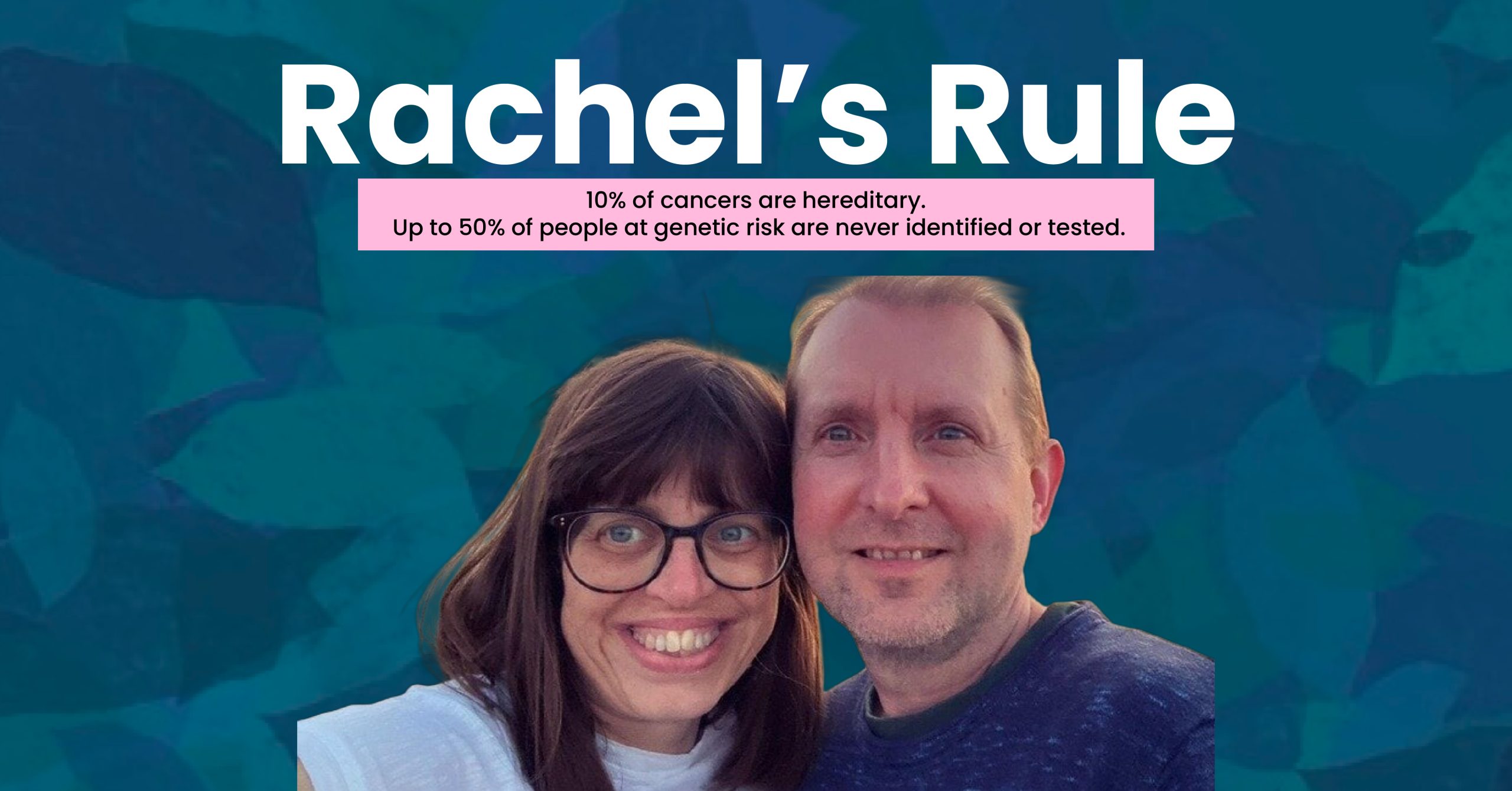
Sefton Man calls for ‘Rachel’s Rule’
Sefton man Stuart Ball lost his wife, Rachel, to cancer last year. She was just 47.
Now, Stuart is sharing Rachel’s story in the hope that it will help save lives. He is campaigning for “Rachel’s Rule” — a proposed safeguard within the NHS to ensure hereditary cancer risks are identified earlier and not overlooked.
For more than 20 years, Rachel was diagnosed with multiple primary cancers. Each diagnosis should have raised concerns about a possible inherited condition. However, despite these repeated warning signs, opportunities for genetic referral were missed.
It wasn’t until 2019 that Rachel finally received genetic testing. The results confirmed she had PTEN Hamartoma Tumour Syndrome (also known as Cowden Syndrome) — a rare hereditary condition that significantly increases cancer risk.
Had Rachel been referred sooner, regular surveillance and targeted screening could have detected cancers earlier or potentially prevented them altogether. By 2024, her breast cancer had returned and spread to her liver. At that stage, it was treatable — but no longer curable.
Stuart is now calling for the NHS to introduce Annual Hereditary Risk Reviews. This would act as a standard trigger for patients who present with:
- A cancer diagnosed at an unusually young age
- Cancer alongside clinical features linked to hereditary conditions
- Multiple primary cancers over time
- A pattern of concerning health issues that together suggest inherited risk — even without a family history
This simple review process could lead to:
- Earlier referrals for genetic assessment and testing
- Faster access to surveillance, screening, and personalised care
- Fewer missed opportunities — and fewer avoidable losses
The evidence is clear. Major studies show that early identification of inherited cancer risk can reduce cancer rates in high-risk groups by 30% or more. UK cancer research bodies also warn that current NHS testing criteria miss around half of people carrying harmful genetic variants. Relying on family history alone means many patients are not identified until their cancer is already advanced.
Rachel’s story is no longer an isolated case.
Two of the UK’s leading patient safety organisations — Action against Medical Accidents (AvMA) and Patient Safety Learning — are now sharing Rachel’s case nationally, highlighting the urgent need for better hereditary risk oversight within the NHS.
You can find out more about Rachel’s Rule and sign the petition through the link below.
https://www.change.org/p/implement-annual-hereditary-risk-reviews-on-nhs